
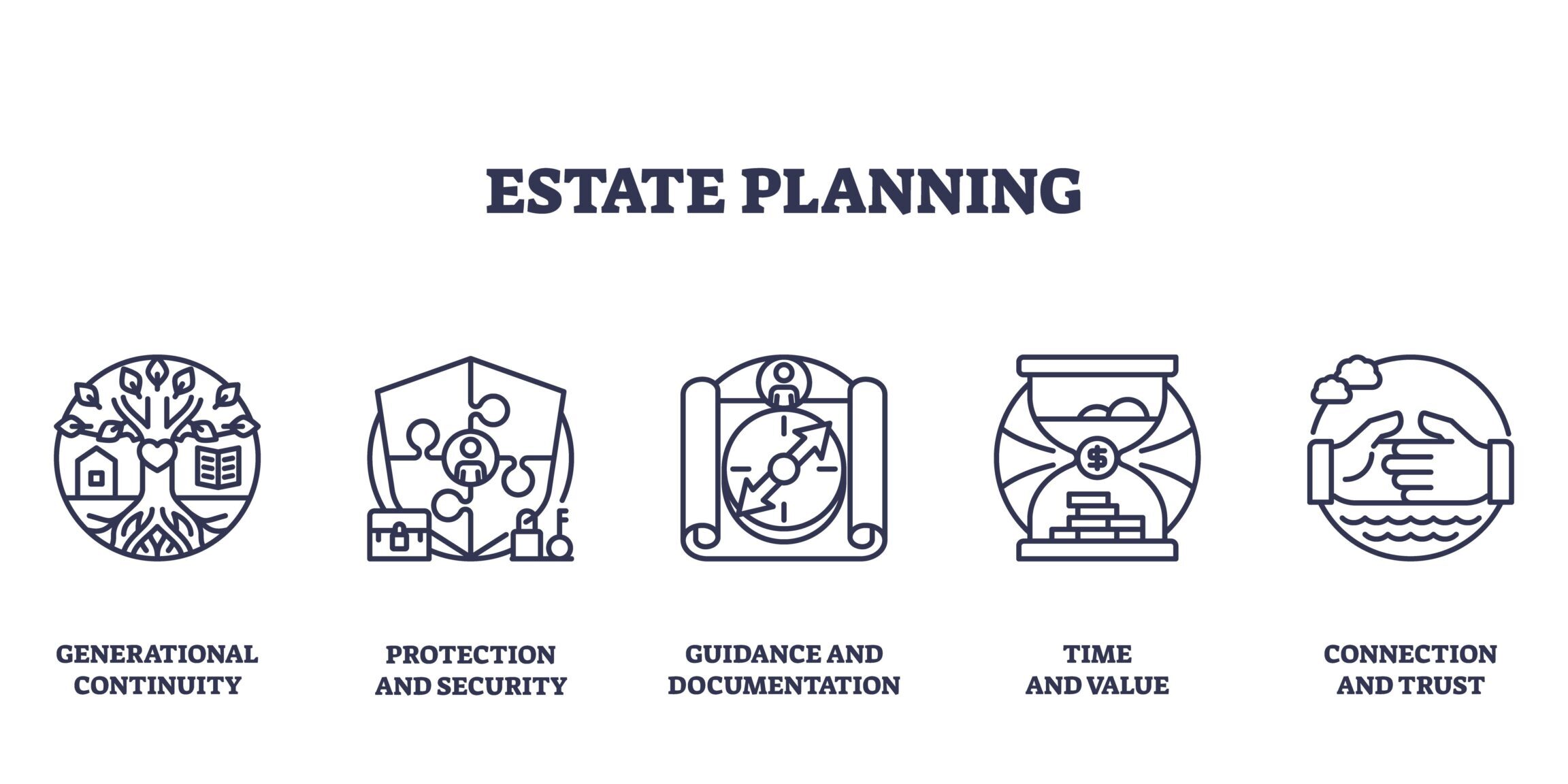
Estate planning in Connecticut is entering a period of meaningful transition. While recent tax law changes have simplified certain aspects of planning, they have also shifted the focus toward more advanced strategies involving trusts, lifetime gifting, and long-term care planning.
As a result, individuals and families in Wallingford and across Connecticut must take a forward-looking approach. At Farrell & Grochowski, we help clients balance tax efficiency, flexibility, and evolving family needs to create plans that truly last.
1. Estate Planning in Connecticut Is Shifting Away from Tax-Only Strategies
As of 2026, both federal and Connecticut estate tax exemptions have increased to approximately $15 million per individual ($30 million for married couples), indexed for inflation.
Because of this, far fewer estates are subject to estate taxes. However, this does not eliminate the need for planning.
Instead, estate planning in Connecticut is now focusing more on:
- Asset protection
- Probate avoidance
- Family governance
- Legacy and wealth transfer planning
Although fewer estates are taxable, Connecticut still maintains its own estate tax system. Therefore, strategic planning remains essential. Check out the IRS Estate and Gift Tax Overview
2. Estate Planning in Connecticut Is Driving More Advanced Trust Strategies
Even with reduced tax pressure, trust planning is becoming more important and not less.
Today’s clients are increasingly concerned with:
- Blended family dynamics
- Creditor protection
- Long-term care planning
- Control over how assets are distributed
Additionally, Connecticut does not allow portability at the state level. This means a surviving spouse cannot use a deceased spouse’s unused exemption, making credit shelter trusts highly relevant.
Emerging Trust Trends (2026–2031)
- Greater use of irrevocable trusts for asset protection
- Non-grantor trusts for state income tax planning
- Customized trust structures based on family needs
As a result, estate planning in Connecticut is becoming more personalized and strategic.
3. Migration and Domicile Planning Will Continue to Impact Estate Planning in Connecticut
Because Connecticut has both estate and high income taxes, some residents are considering relocation to states like Florida.
This trend is expected to continue over the next five years.
What This Means for Clients
- Increased need for domicile planning
- Multi-state estate strategies
- Proper documentation of residency intent
Without careful planning, individuals risk unintended Connecticut tax exposure. Therefore, working with experienced counsel is critical.
4. Long-Term Care Planning Is Becoming Central to Estate Planning in Connecticut
As the population ages, estate planning is increasingly intersecting with elder law.
Over the next five years, we expect:
- Greater integration of Medicaid planning
- Increased use of irrevocable trusts for asset preservation
- More clients planning ahead for nursing home costs
In particular, middle- and upper-middle-income families are seeking protection from long-term care expenses.
Visit our Medicaid Planning / Title 19 Services page and : Medicaid Eligibility Guidelines
5. Digital Assets Are Reshaping Estate Planning in Connecticut
Modern wealth is no longer limited to traditional assets. Increasingly, clients own:
- Cryptocurrency
- Online businesses
- Digital intellectual property
Because of this shift, estate plans must now address:
- Secure access to digital assets
- Transfer of online accounts
- Fiduciary authority for digital management
Failure to plan for digital assets can lead to significant legal and administrative complications.
6. Legislative Stability Brings Predictability – But Not Simplicity
Recent federal legislation has provided more stability by increasing estate tax exemptions.
At the state level, Connecticut is expected to:
- Maintain general alignment with federal thresholds
- Continue refining tax policies gradually
However, potential changes may still arise. Therefore, ongoing review of your estate plan is essential.
7. Estate Planning in Connecticut Is Becoming More Client-Centered
Perhaps the most important shift is not legal – but philosophical.
With fewer people focused solely on tax avoidance, estate planning is now centered on:
- Family relationships
- Intentional wealth transfer
- Values-based planning
Ultimately, a well-structured estate plan helps prevent disputes, provide clarity, and preserve family harmony.
Conclusion: A Smarter Approach to Estate Planning in Connecticut
Estate planning in Connecticut is no longer just about minimizing taxes. – It is about building a thoughtful, flexible strategy for the future.
At Farrell & Grochowski, we help clients:
- Protect their assets
- Plan for long-term care
- Structure trusts effectively
- Create clear, enforceable estate plans
As we move into the next five years, estate planning will continue to evolve. However, one thing remains constant: having a comprehensive plan in place is more important than ever.
Call to Action
If you are ready to update or create your estate plan, contact Farrell & Grochowski in Wallingford, Connecticut today to schedule a consultation.